




When we talk about responsible fashion, most attention goes to garment production, supply chains, or recycling. But the truth is simple:
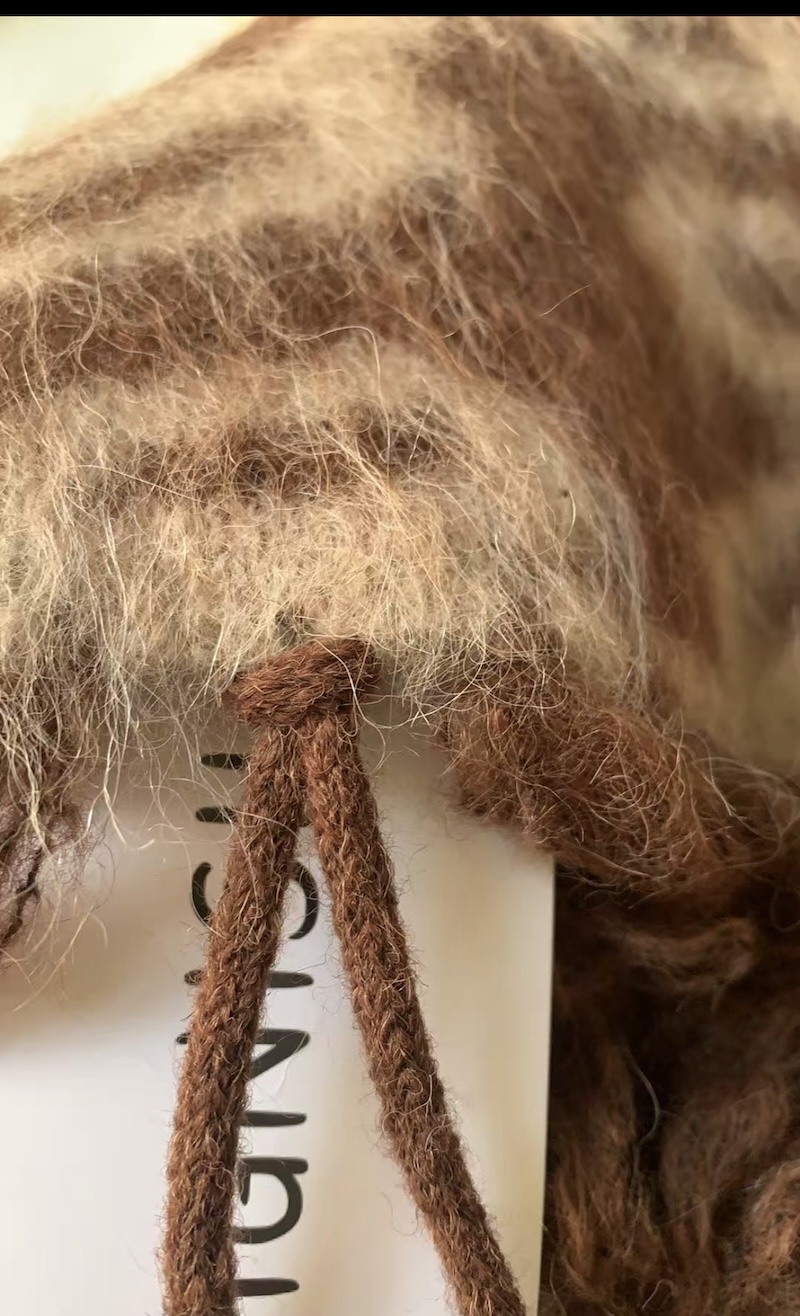
a product’s environmental impact is determined long before it becomes a garment. It begins with the yarn.
Yarn Determines a Garment’s Entire Footprint
From the moment fibers are selected, key sustainability factors are already set:
-
Fiber origin & traceability
Whether the fiber comes from animals, plants, or synthetics shapes its environmental profile. -
Energy and resource use
Different fibers require different levels of water, land, and processing energy. -
Dyeing & finishing impact
Yarn composition affects how dyes are absorbed and how much chemical processing is needed. -
Strength, durability & lifespan
Higher-quality yarns create fabrics that last longer, reducing textile waste.
Choosing Better Fibers From the Start
At IGNISILK, material decisions begin during the design and development stage. Our approach:
Natural & Cellulose Fibers
We increasingly select fibers such as cotton, linen, lyocell, and other plant-based materials.
Benefits include:
-
Lower environmental impact
-
Better biodegradability
-
Soft handfeel with high comfort
-
Stronger alignment with responsible sourcing
Smarter Synthetics, Not More Synthetics
Synthetics still play an important role in performance and durability.
But the industry is rapidly evolving:
-
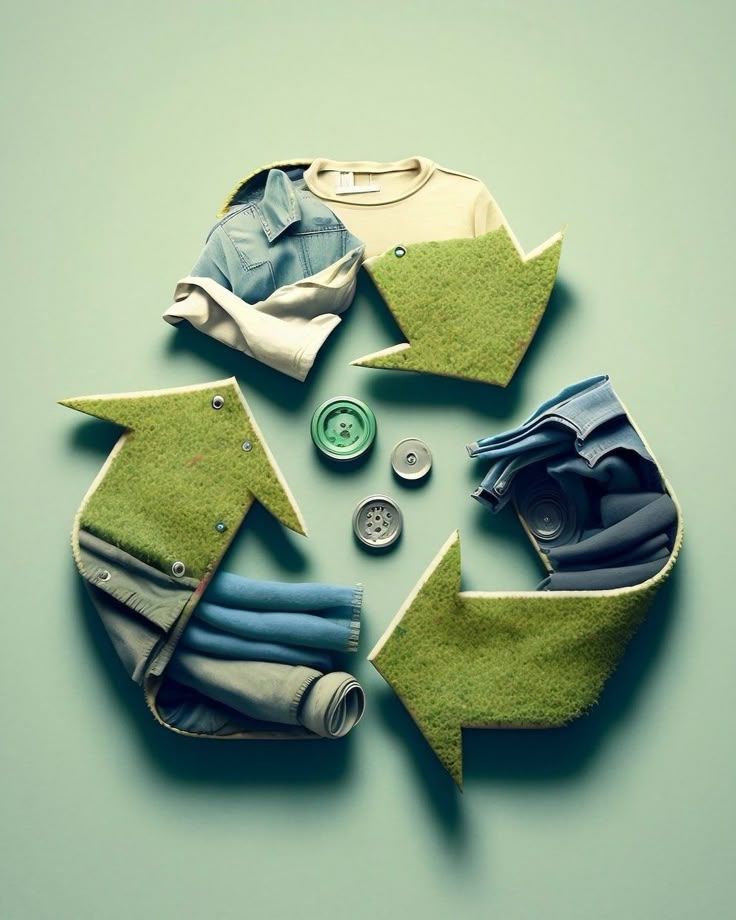
Recycled synthetics (mechanical & chemical recycling)
Turning post-consumer waste into new fibers. -
Bio-based and alternative synthetics
Reducing dependency on petroleum-based materials. -
Hybrid blends
Creating performance fabrics with a lower carbon footprint.
Better Yarns → Better Fabrics → Better Garments
Every responsible product begins with responsible raw materials.
Choosing the right yarn leads to:
-
Higher performance textiles
-
Longer-lasting garments
-
Less waste throughout the lifecycle
-
A more resilient and responsible supply chain
Sustainability isn’t the final step of garment production.
It starts at the very first one — selecting the yarn.