


Why Pleats are Back (Again)
Pleats are not new in fashion—but their latest resurgence feels different.
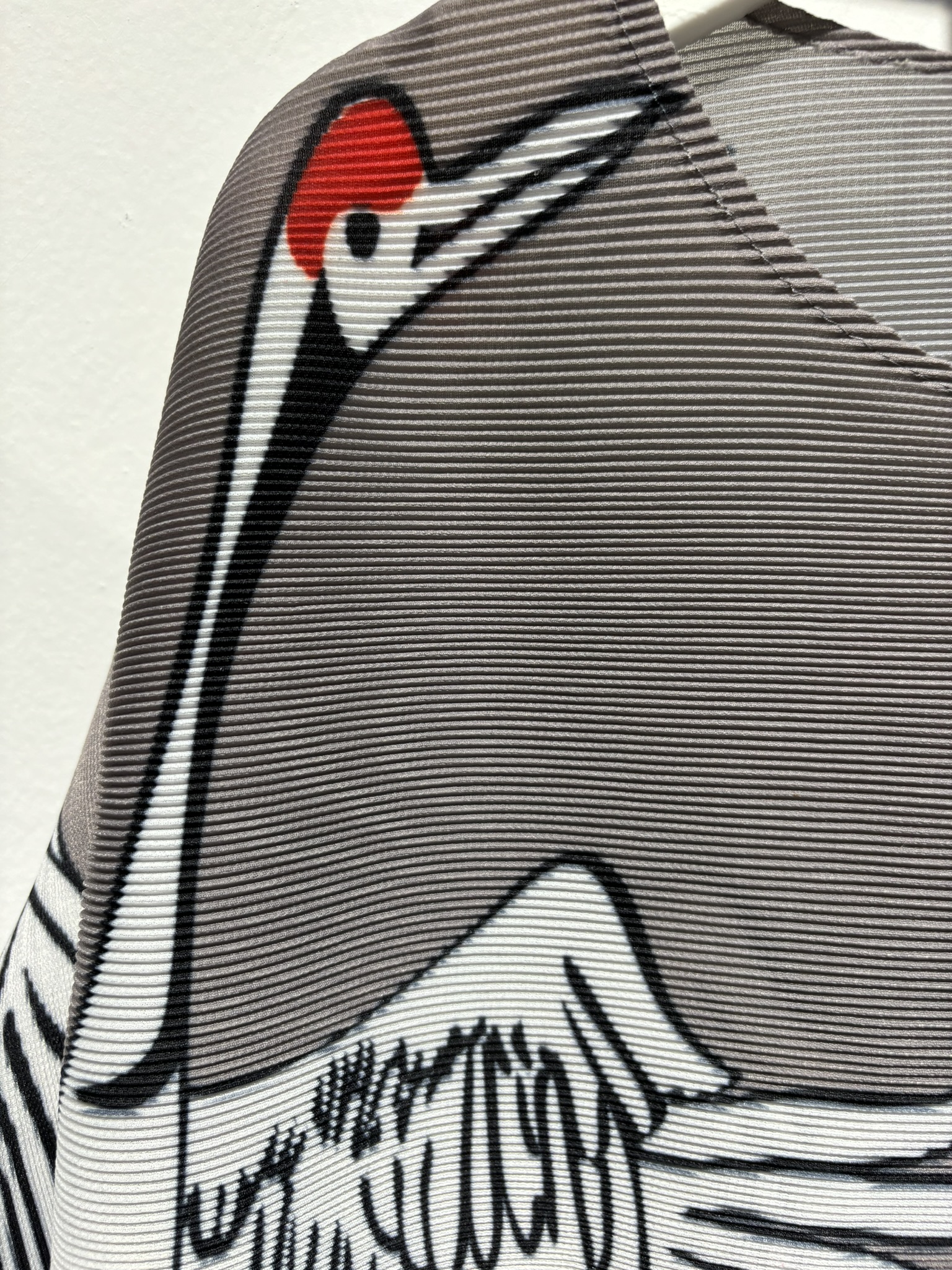
Instead of existing purely as a decorative detail, pleats have become a tool for shaping silhouette, adding modular volume, and creating movement in womenswear. In modern collections, pleating appears across woven tops, skirts, dresses, and even outerwear, offering designers a way to add visual depth without heavy construction.
For Spring/Summer collections, pleated woven styles offer:
-
lightweight volume without bulk
-
dynamic movement when walking
-
three-dimensional texture that elevates basics
-
compatibility with prints and patterns
This is where fabric meets technique—transforming flat surfaces into sculpted garments.
Pleating as a Material + Technique Story
Unlike knits, wovens do not naturally stretch or compress. Pleating introduces elasticity and volume through mechanical manipulation—making it both a textile story and a material innovation story.
Today’s pleated wovens often blend:
-
polyester blends (for memory retention)
-
cotton blends (for softer drape)
-
voile, chiffon, organza (for transparency)
-
crepe and twill (for weight and movement)
Designers love pleated wovens because they bridge structure and fluidity, opening space for new silhouettes and print applications.
One-Stop Pleating: From Fabric → Factory → Finished Style
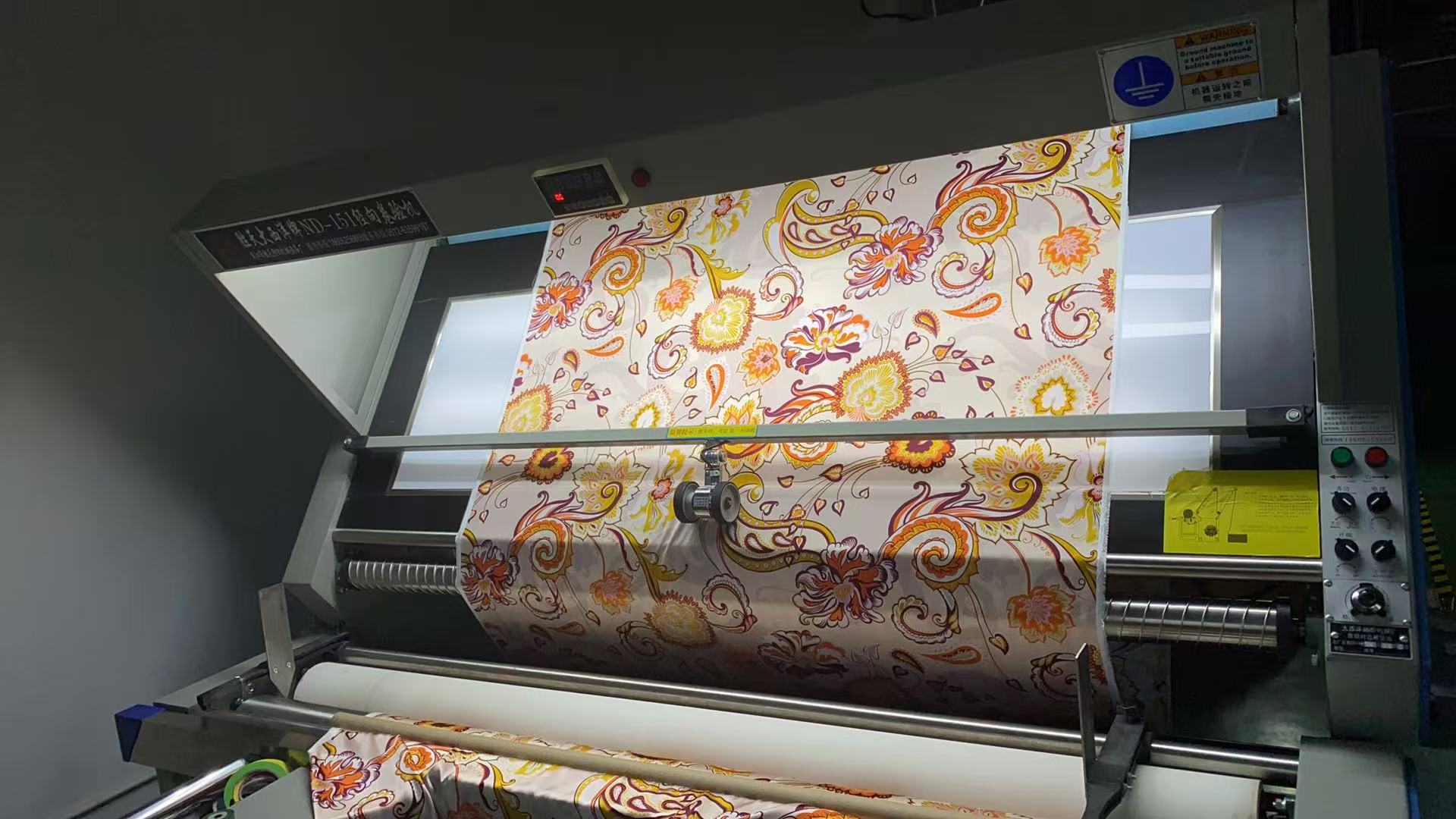
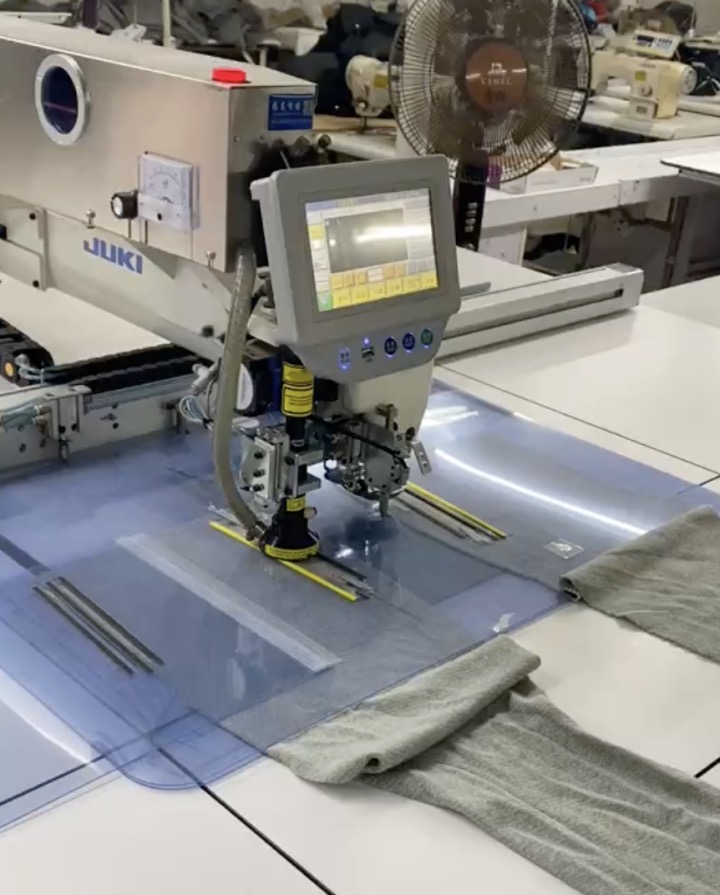
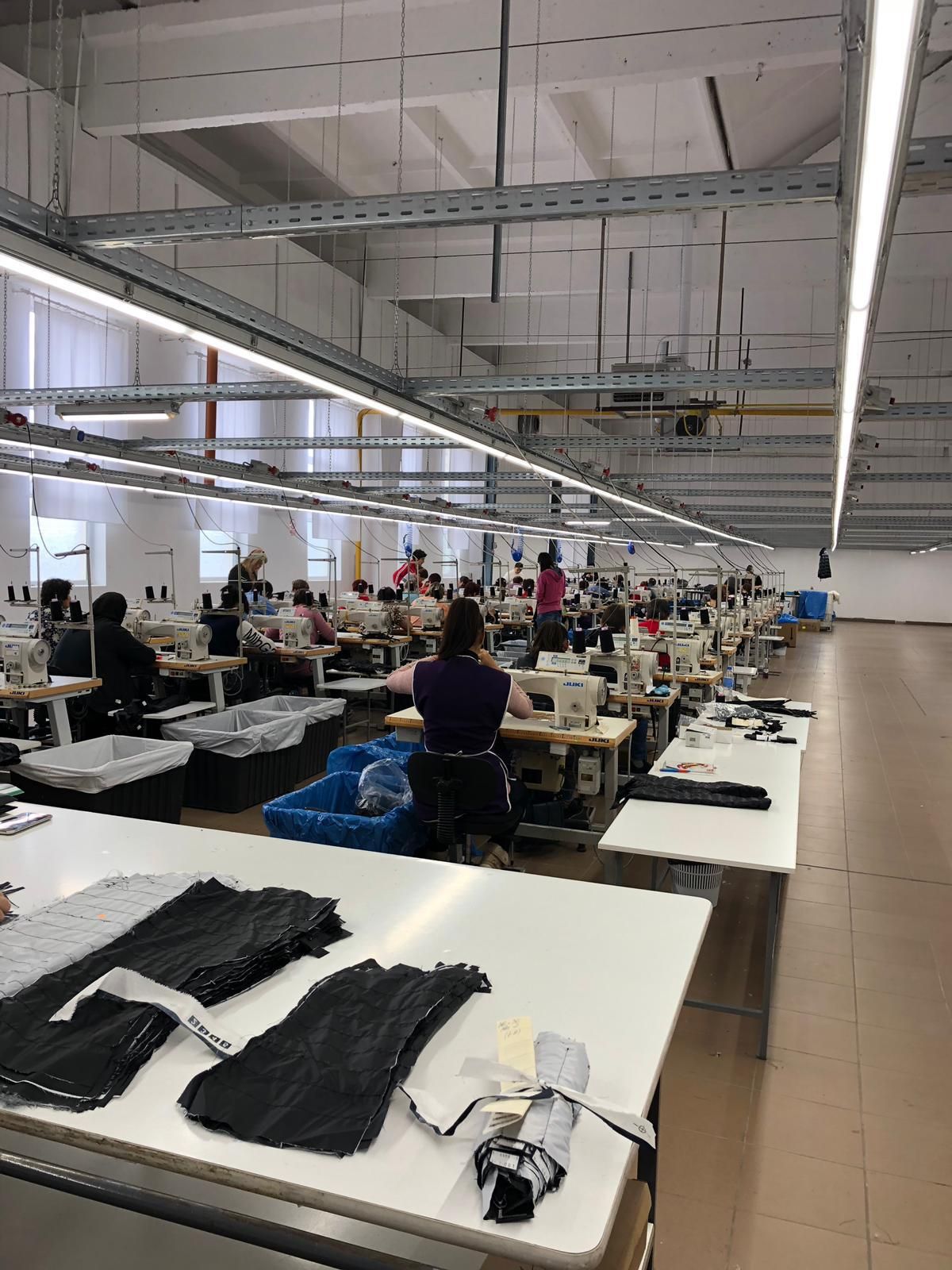
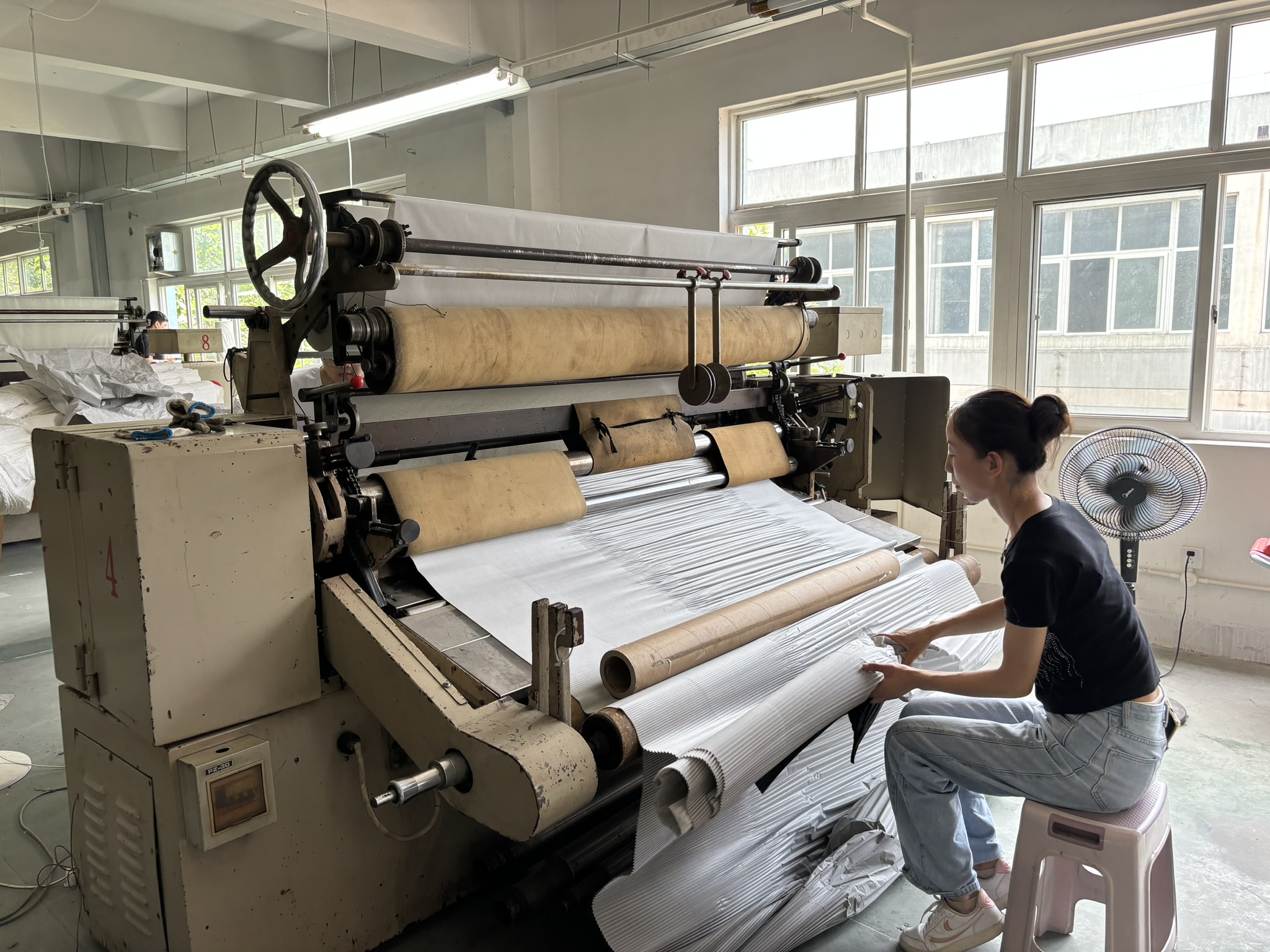
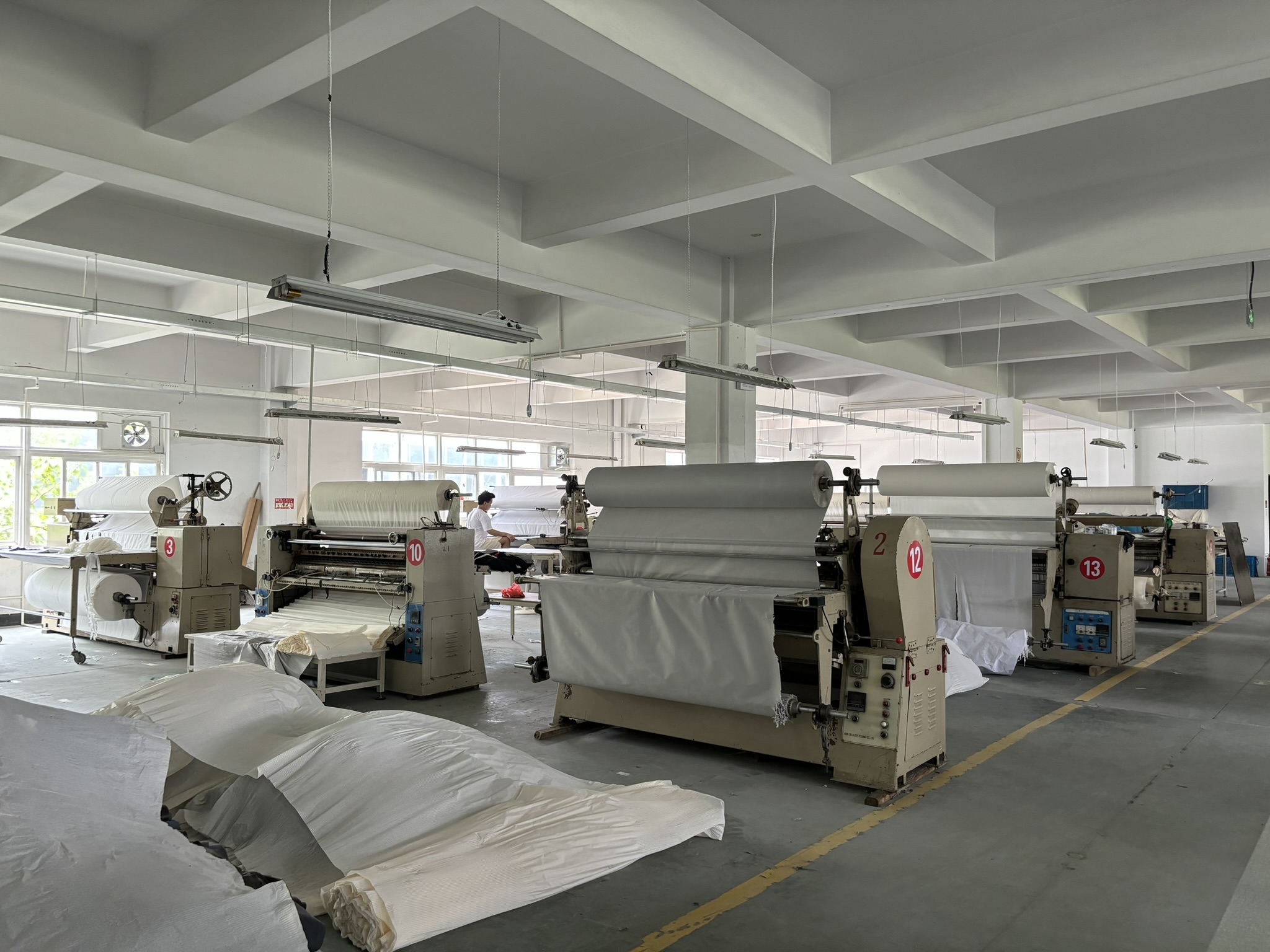
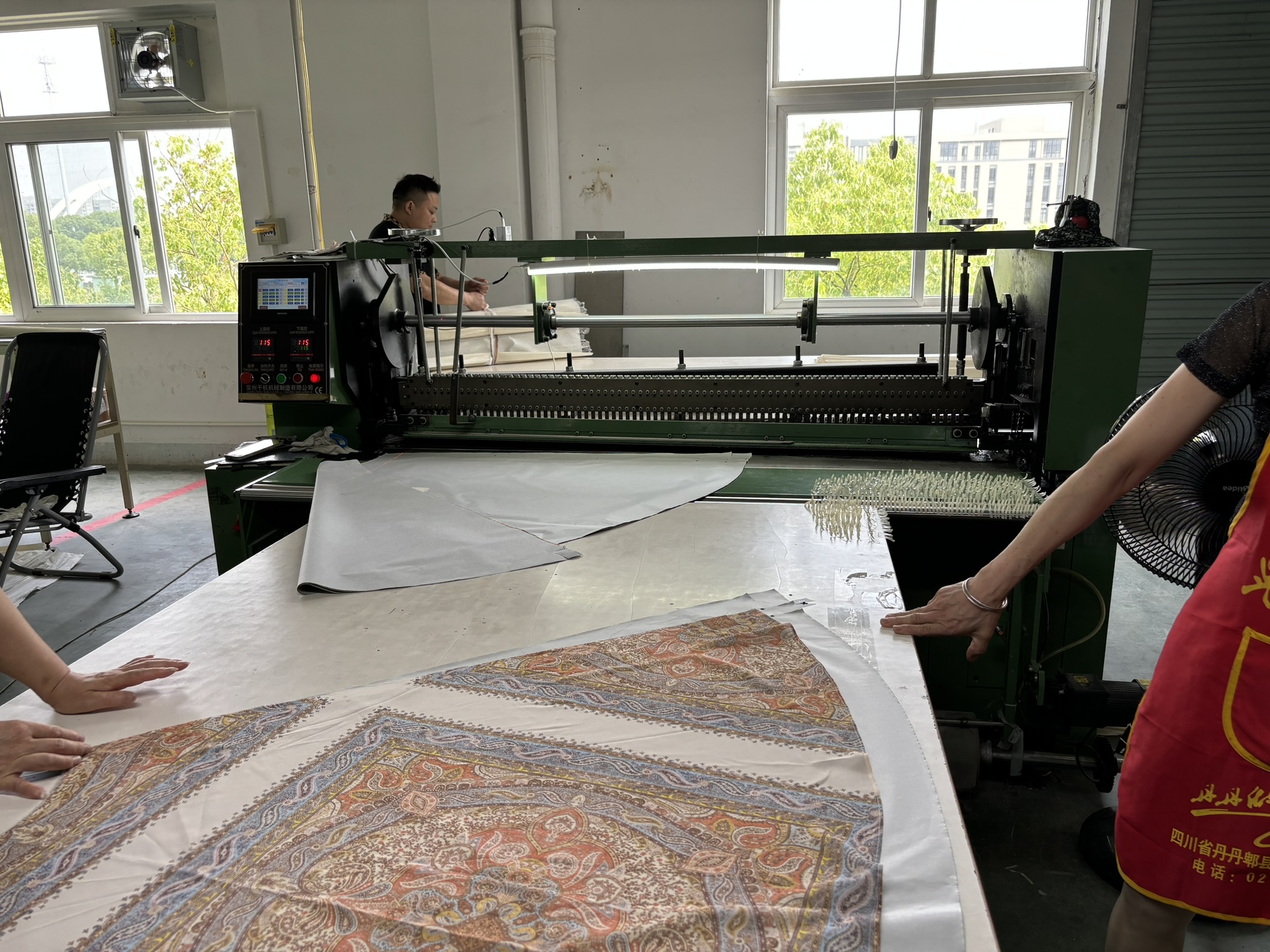
In this 18-second video, we captured a realistic snapshot of how pleated styles come to life—from production floor to finished garment.
The workflow highlights:
① Fabric Selection
Choosing prints and solids with pleat-friendly handle.
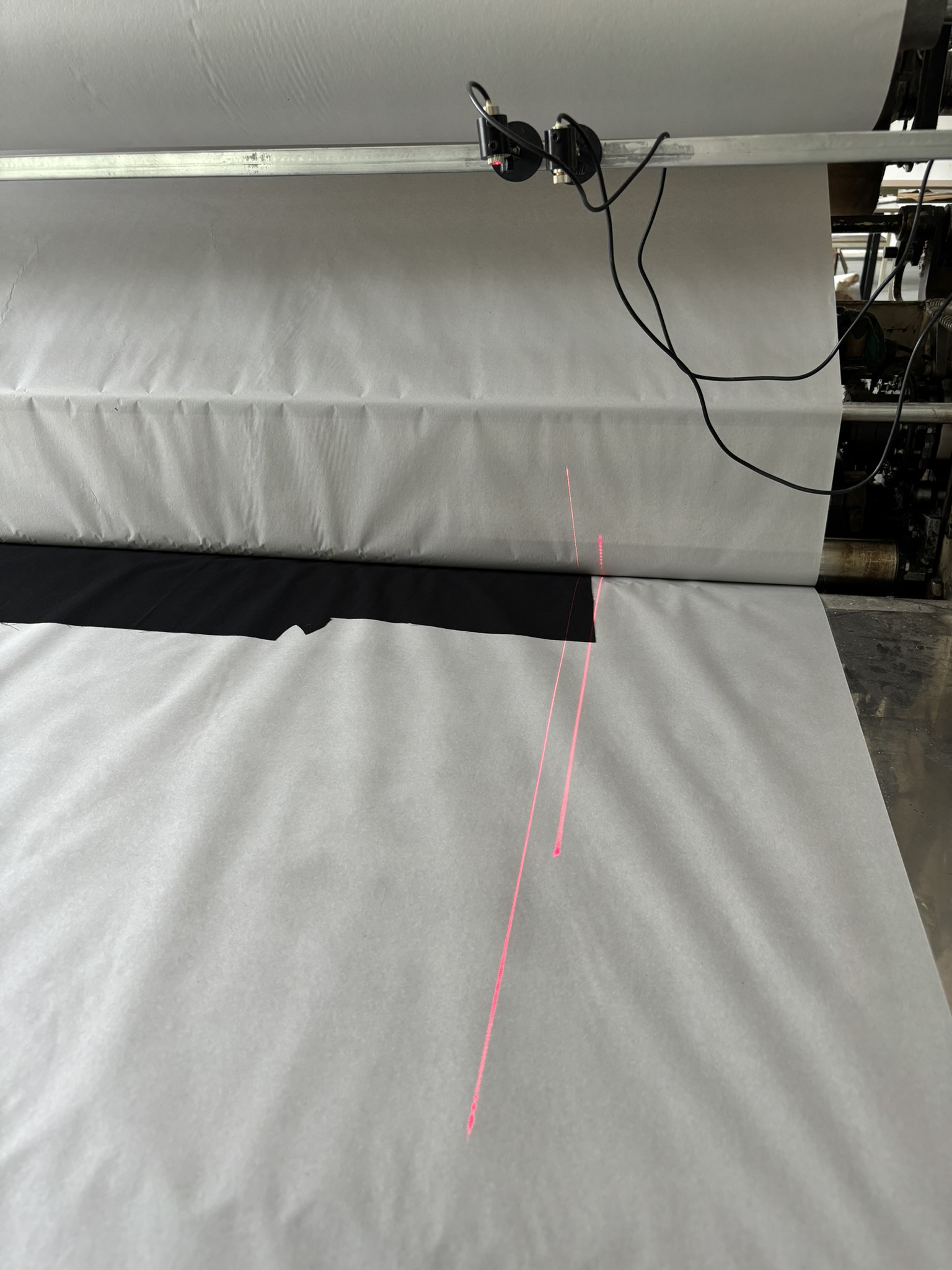
② Pleating Process
Factory-grade pleating for consistent sharpness.
③ Finish & Assembly
Cutting, stitching, pressing, and quality control.
This is not only a style story—it’s a supply chain story.
When fabric suppliers, pleating workshops, and garment-making sit within the same ecosystem, designers gain faster sample cycles, easier iteration, more control over texture and fit.
What’s more, lower MOQ risk, better communication between material & form.
For Designers: Why Pleated be loved
Pleated wovens are especially relevant for brands seeking:
✔ Lightweight Spring/Summer options
✔ Elevated basics & statement tops
✔ Volume without heavy construction
✔ Textures that photograph well for e-commerce
✔ Material differentiation within capsule collections
In a market where visual differentiation sells, pleats offer styling value, merchandising value, and consumer value—without exploding SKU complexity.
Where Innovation Meets Small-Batch Production
At Ignisilk, we support designers through the early stages of development, including:
-
sourcing pleat-friendly woven fabrics
-
connecting with pleating factories
-
rapid prototyping and sample development
-
small-batch capsule production
Because all partners are located within the Yangtze Delta supply chain, we streamline a traditionally fragmented process into:
Idea → Material → Technique → Sample → Bulk
For emerging designers, this reduces both risk and timeline.
📽 Watch the Video
Our 18-second fast-cut sequence shows: pleated styles on body, flat lay details, and pleating workshop footage.
A visual summary of how material becomes form.
📂 Additional Resources
If you want to explore pleated woven fabrics or samples:
-
View our ongoing developments
-
Request swatches
-
Request samples
-
Ask for sourcing support
To get the PDF catalog or swatch support, simply contact us and our team will curate based on category.