

After Texworld Paris: How Fashion Brands Are Finding Suppliers Differently
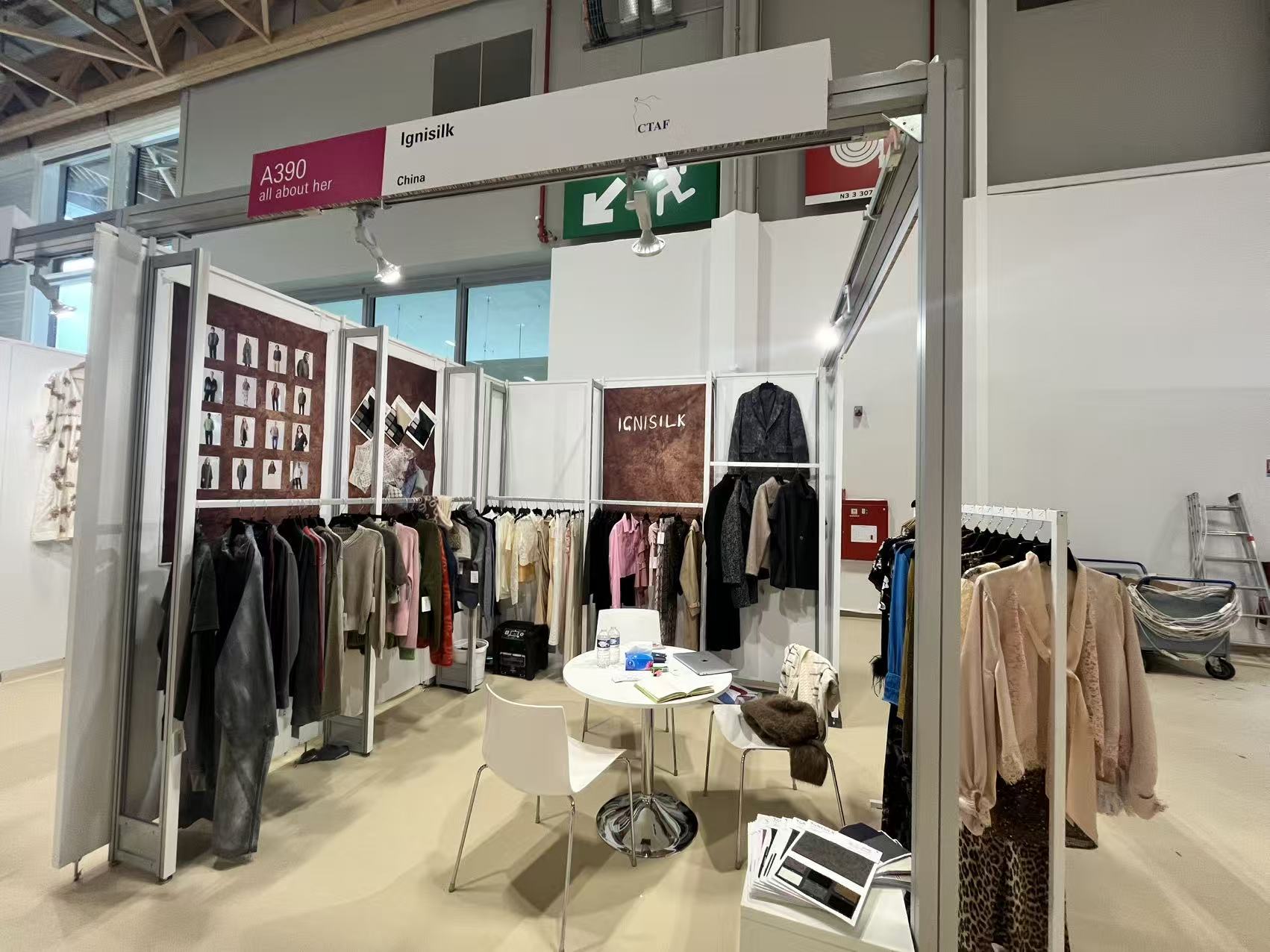
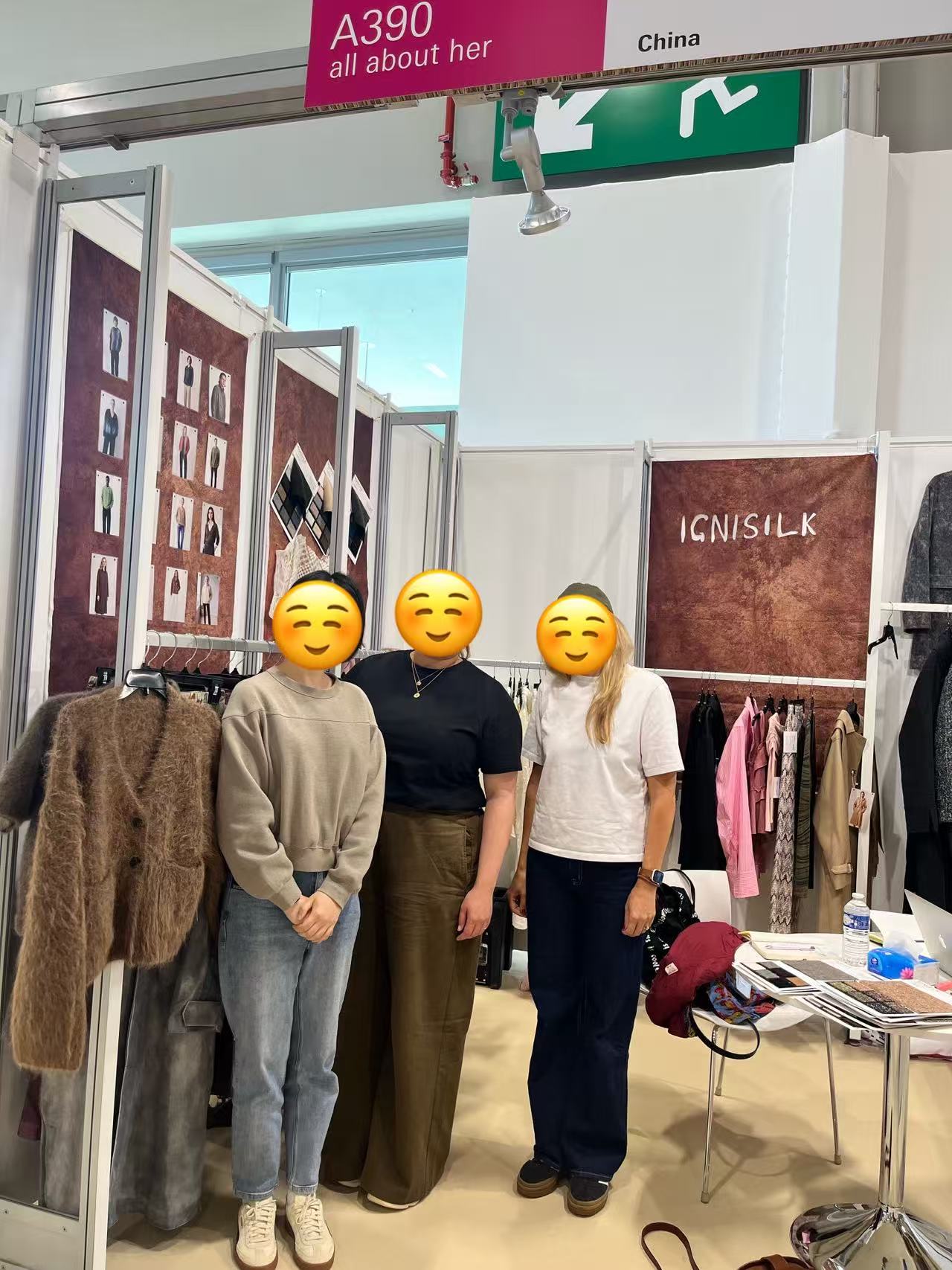
We’ve just finished Texworld Paris and continued our trip to Copenhagen to meet clients and new contacts.
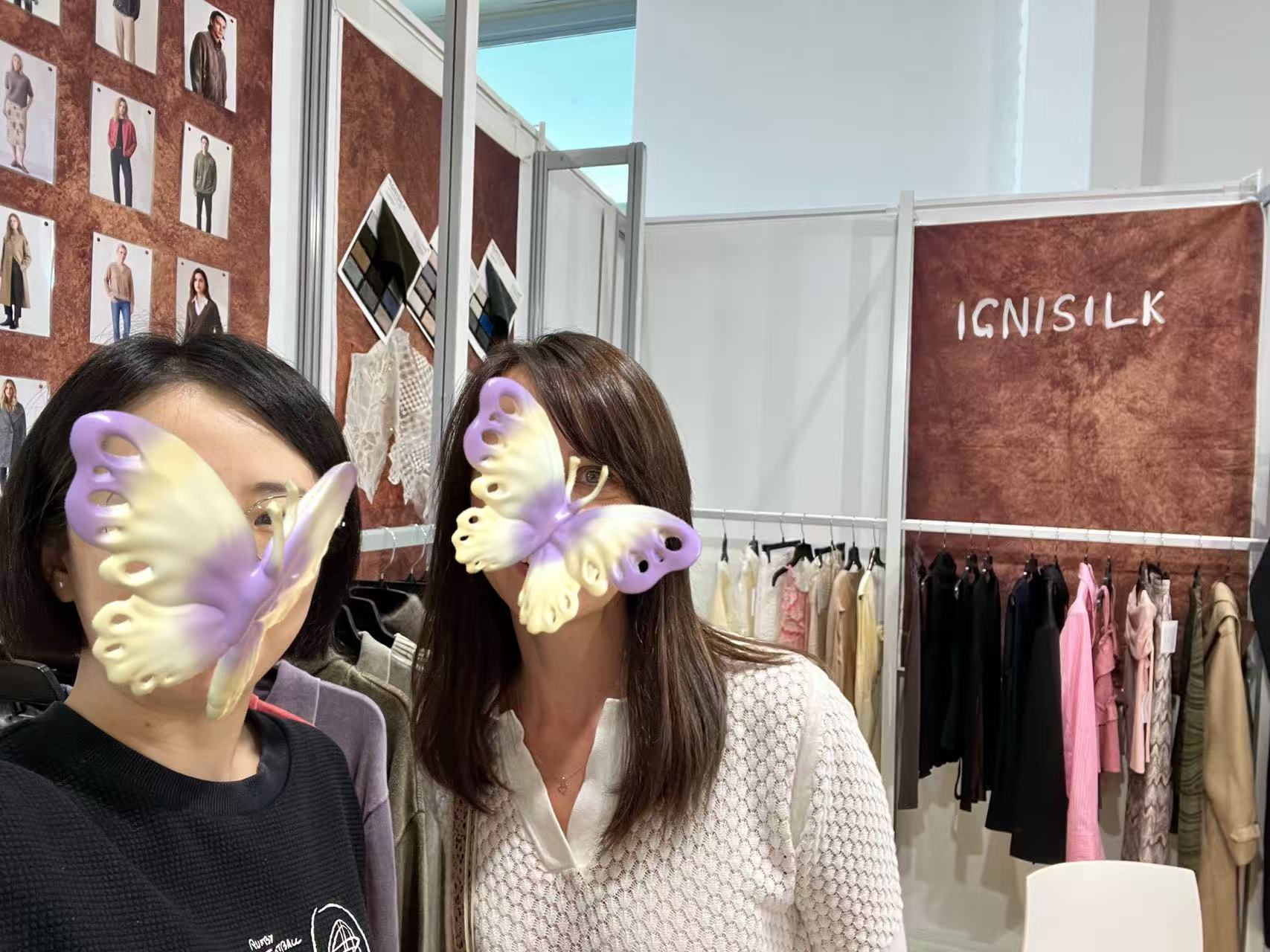
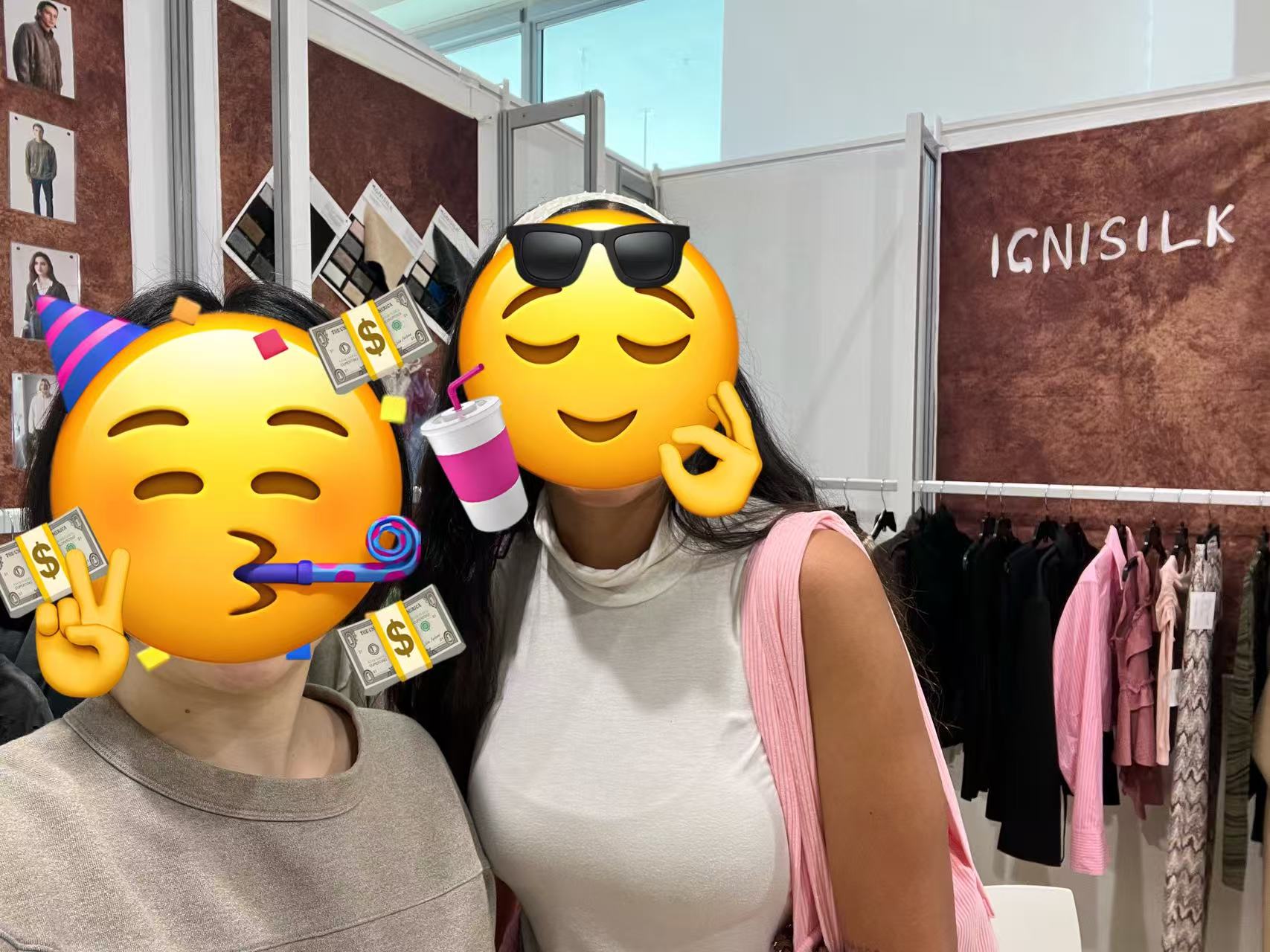
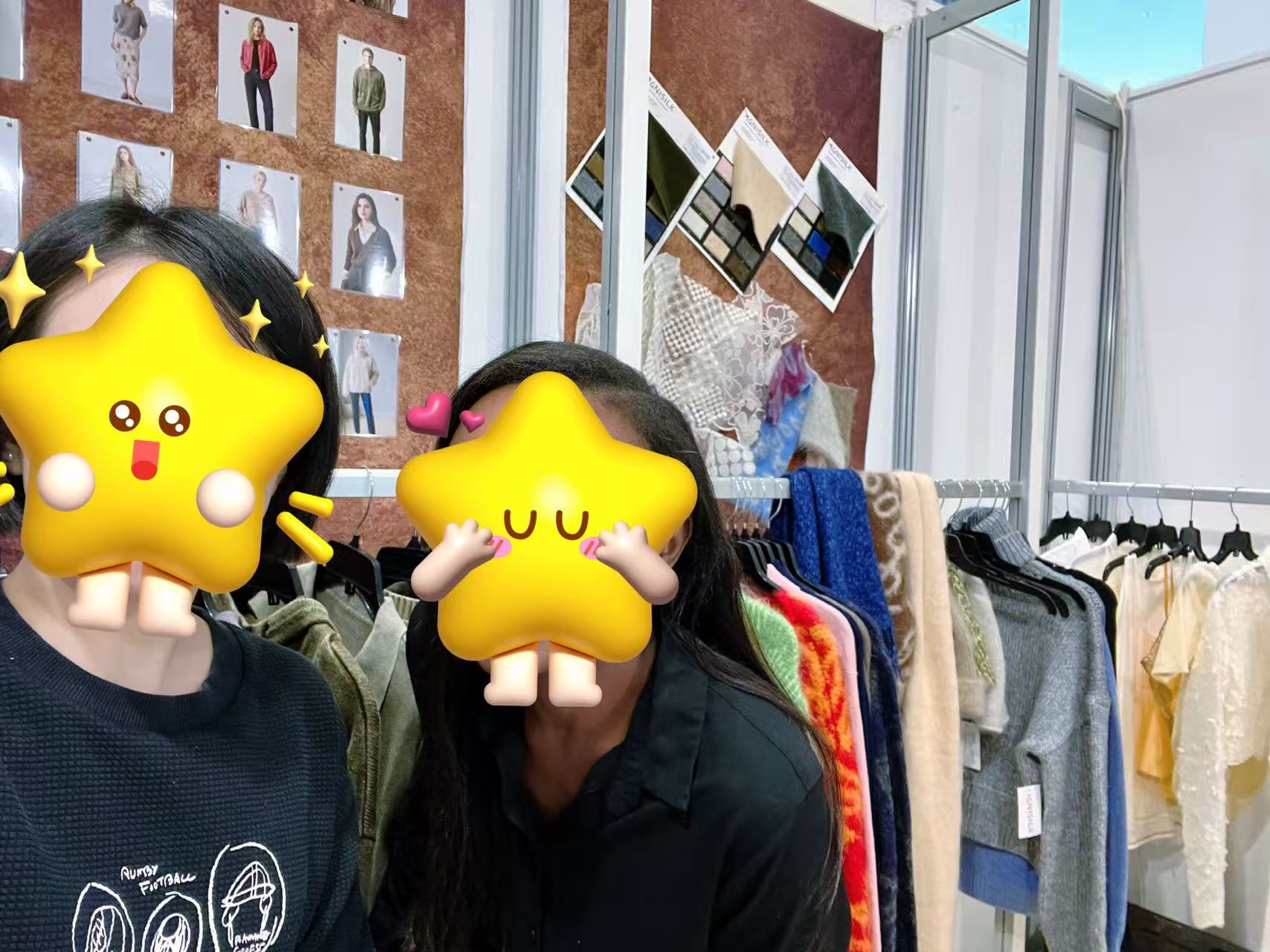
Like many suppliers, we joined the fair hoping to meet relevant brands, buyers and product teams. We had some very interesting conversations and made a number of promising connections.
But after the show, we also found ourselves thinking about something else:
Is a trade fair still enough?
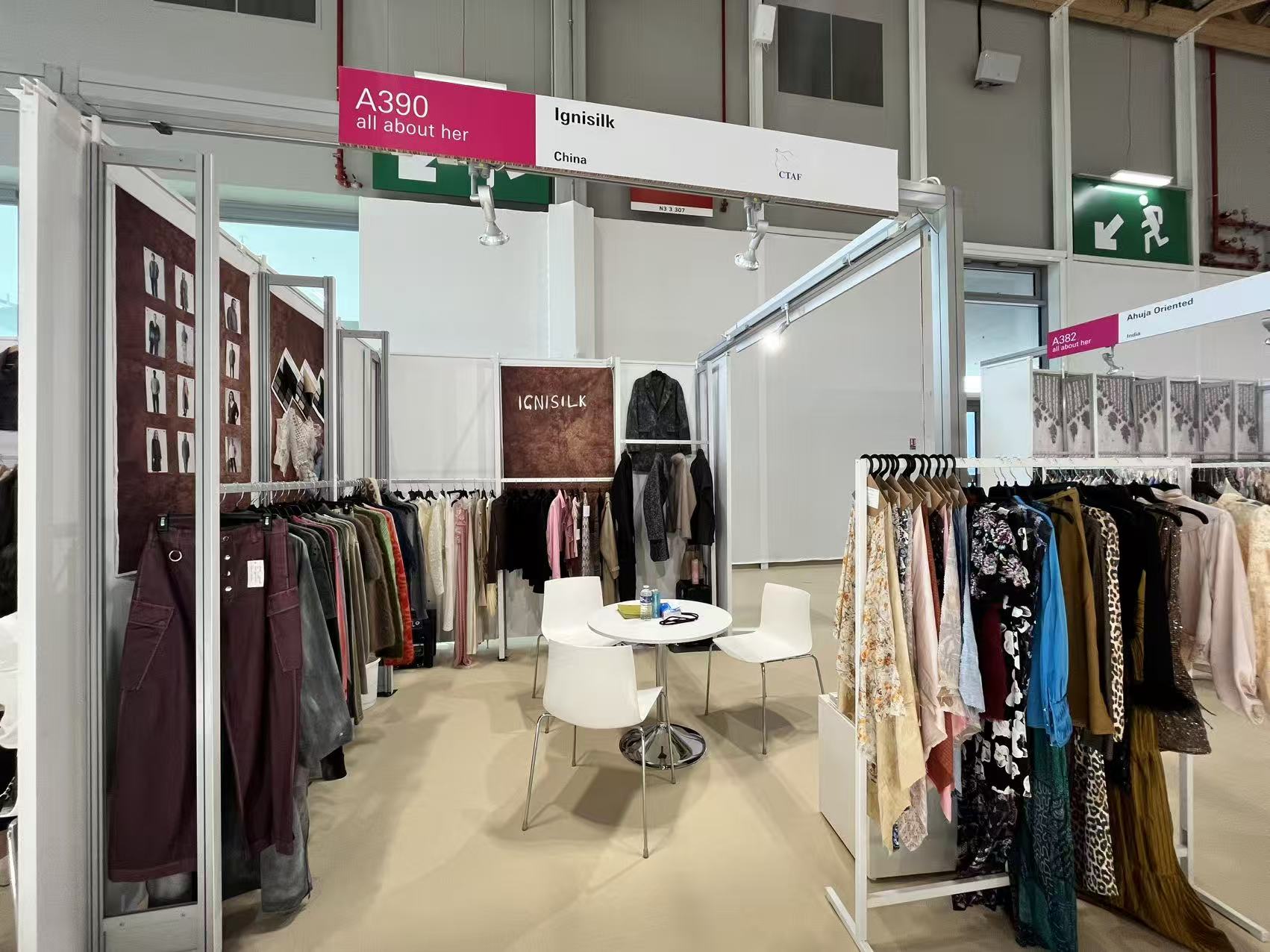
What We Learned from Texworld Paris 2026
There is something about a trade fair that is difficult to replace online.
You can touch a fabric, feel the weight of a garment, look closely at a wash effect, compare different yarns and have a spontaneous conversation with someone who stops at your booth.
That still matters.
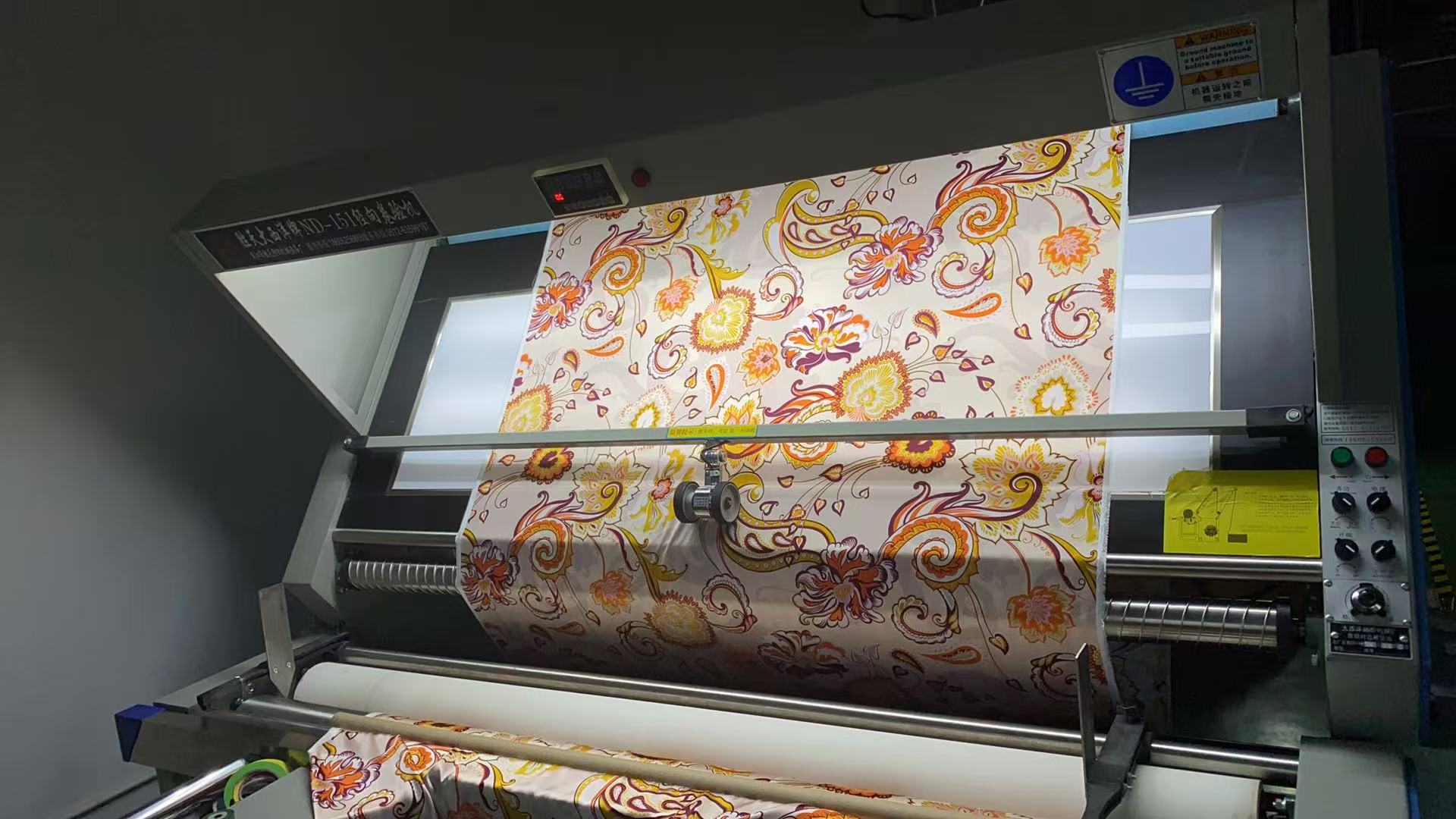
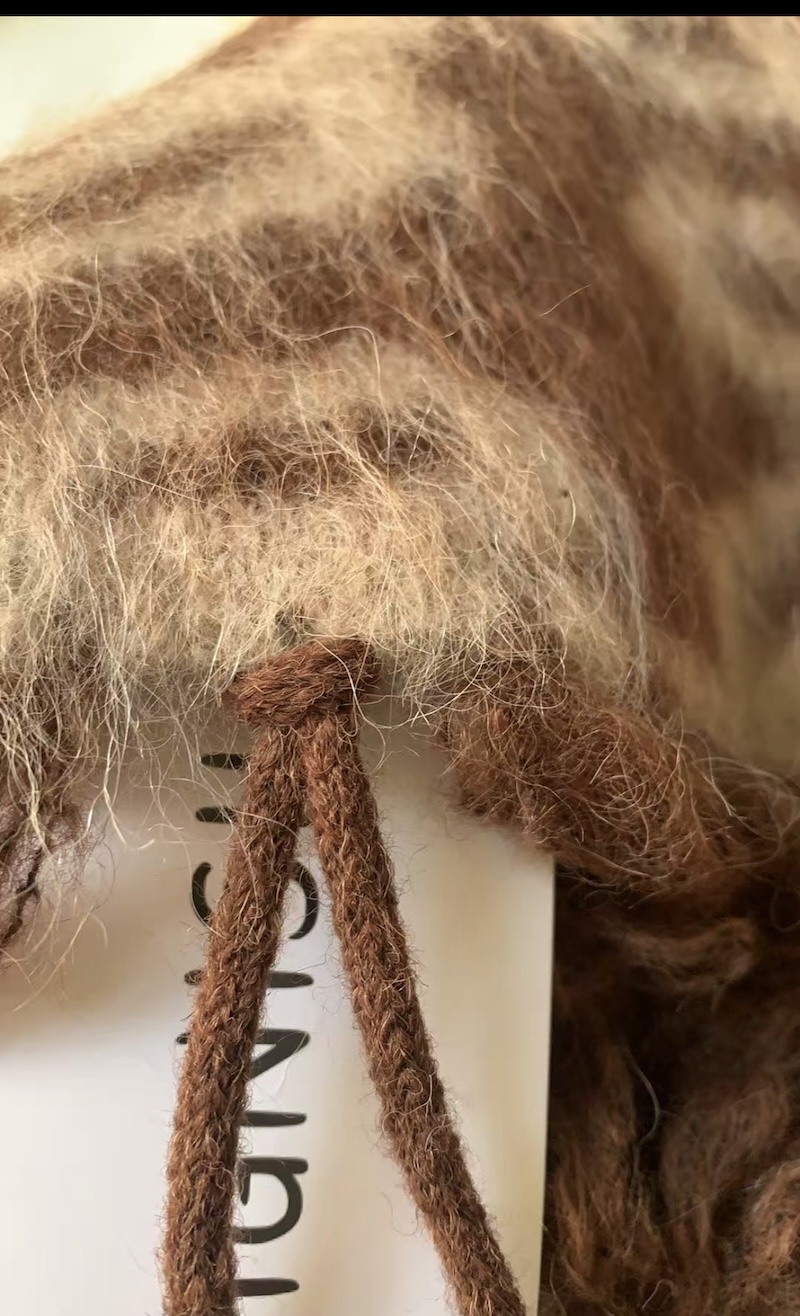
For us, Texworld was also a chance to show what we are currently developing — from fuzzy wool, alpaca and yak knitwear, to washed and aged outerwear, as well as silk and fancy woven pieces.
At the same time, we noticed something that many people in the industry are also talking about.
The number of visitors may still be large, but finding the right people is becoming more difficult.
The buyer who is a perfect match for your product, MOQ, price level and development capabilities may not necessarily be walking through your hall.
Some brands discover suppliers through LinkedIn or Instagram. Some search online when they have a specific product or material need. Some are introduced through their network. And sometimes, the most valuable meeting happens completely outside the fair.
83e1c8c3cb7606e12b91c8e49604ead4
61393421e3713e524591e838e115cba0
2f4ba34987ccfbbef82036f6663d08d4
13baaaadccd086d2aec1dda6e508dd55
Are Traditional Trade Fairs Still Enough for Apparel Sourcing?
We don’t think trade fairs are becoming irrelevant.
But we do think their role is changing.
A trade fair can be a great starting point. It gives brands a chance to see real products and meet suppliers face to face.
But the conversation doesn’t have to begin or end at the exhibition.
A brand might first discover us on LinkedIn, see our development work on Instagram, visit our website, meet us at a trade fair, and later ask for samples.
Or it can happen in the opposite direction.
We may meet someone at Texworld, stay in touch by email, and then visit them when we are already in Copenhagen or Paris.
For us, these channels are no longer separate.
They are becoming part of the same sourcing journey.
How Fashion Brands Are Discovering Suppliers Today
Supplier discovery is becoming more digital and more fragmented.
LinkedIn can start a conversation.
Instagram can show how a garment is actually developed.
A website can give a brand a better understanding of a supplier’s capabilities.
A trade fair can turn an online connection into a face-to-face meeting.
And a sample can turn a conversation into a real development project.
This is changing the way we think about our own presence.
Instead of relying on one channel to bring us customers, we want to create more opportunities for the right brands to discover us.
From Trade Fair Booths to Real-Time Product Development
For a long time, garment suppliers mainly showed finished products: a catalogue, a booth full of samples, and perhaps a few factory photos.
But the development process itself can also be interesting.
A washed jacket doesn’t start as a finished garment.
There are fabric tests, different washing techniques, colour changes, pattern adjustments and samples that don’t always work the first time.
The same applies to knitwear.
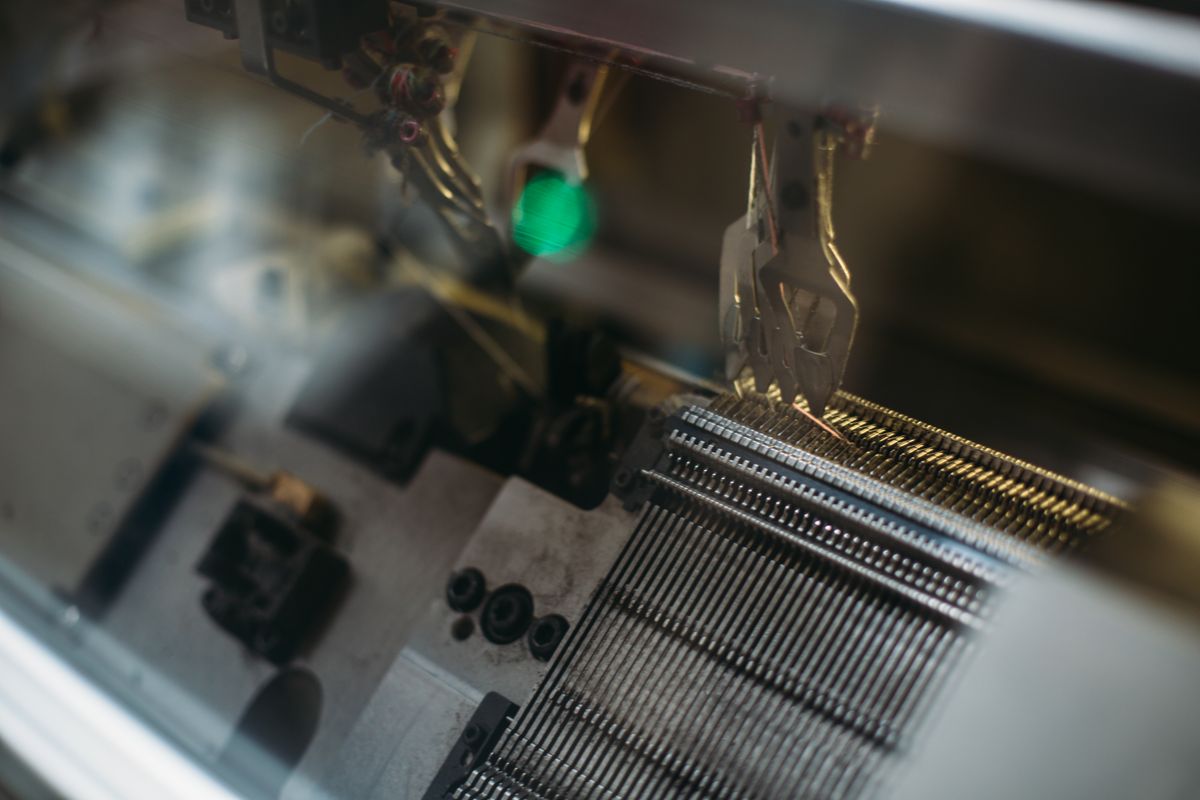
The final garment is only one part of the process. The yarn, gauge, structure, texture and finishing all make a difference.
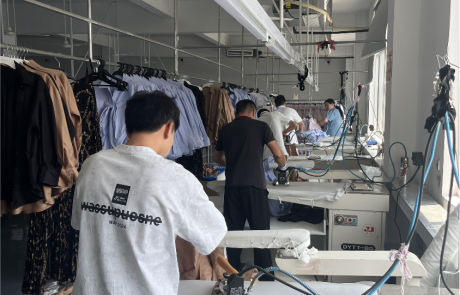
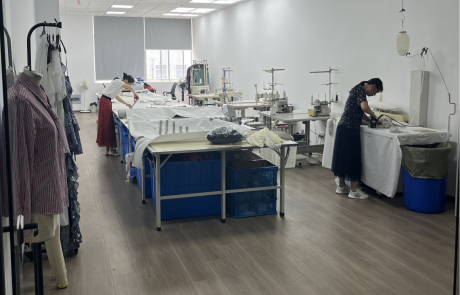
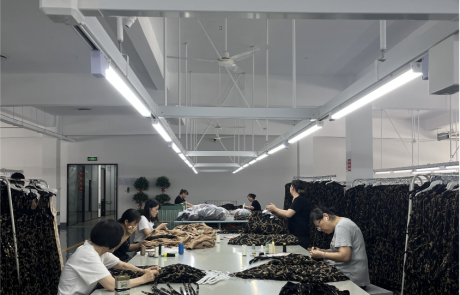
We want to show more of this process.
Not only the finished sample, but how it gets there.
2
3
11
Why We Are Showing More of Our Development Process
This is also why we are gradually changing the type of content we share.
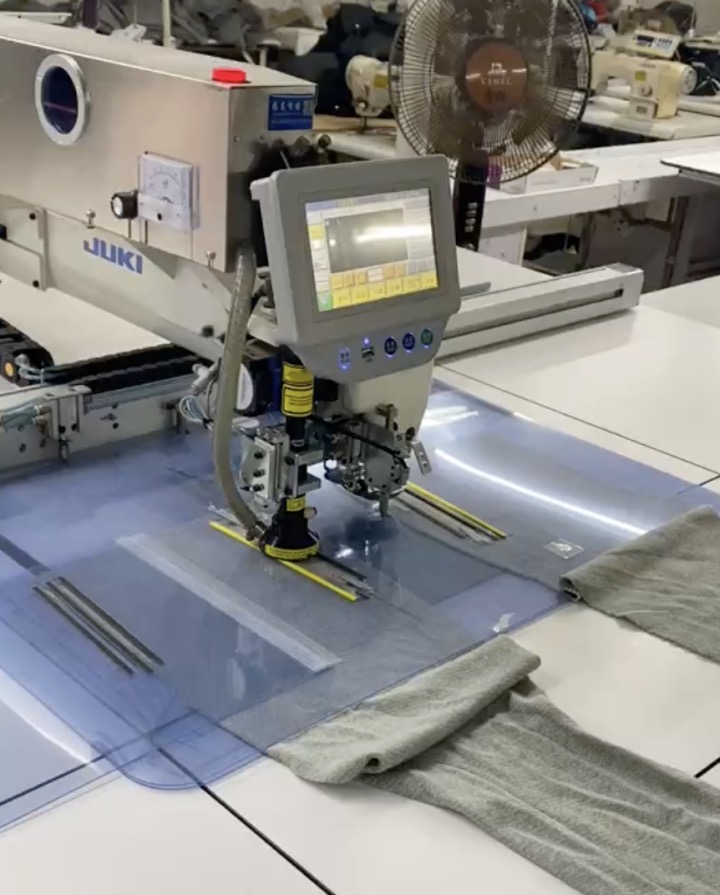
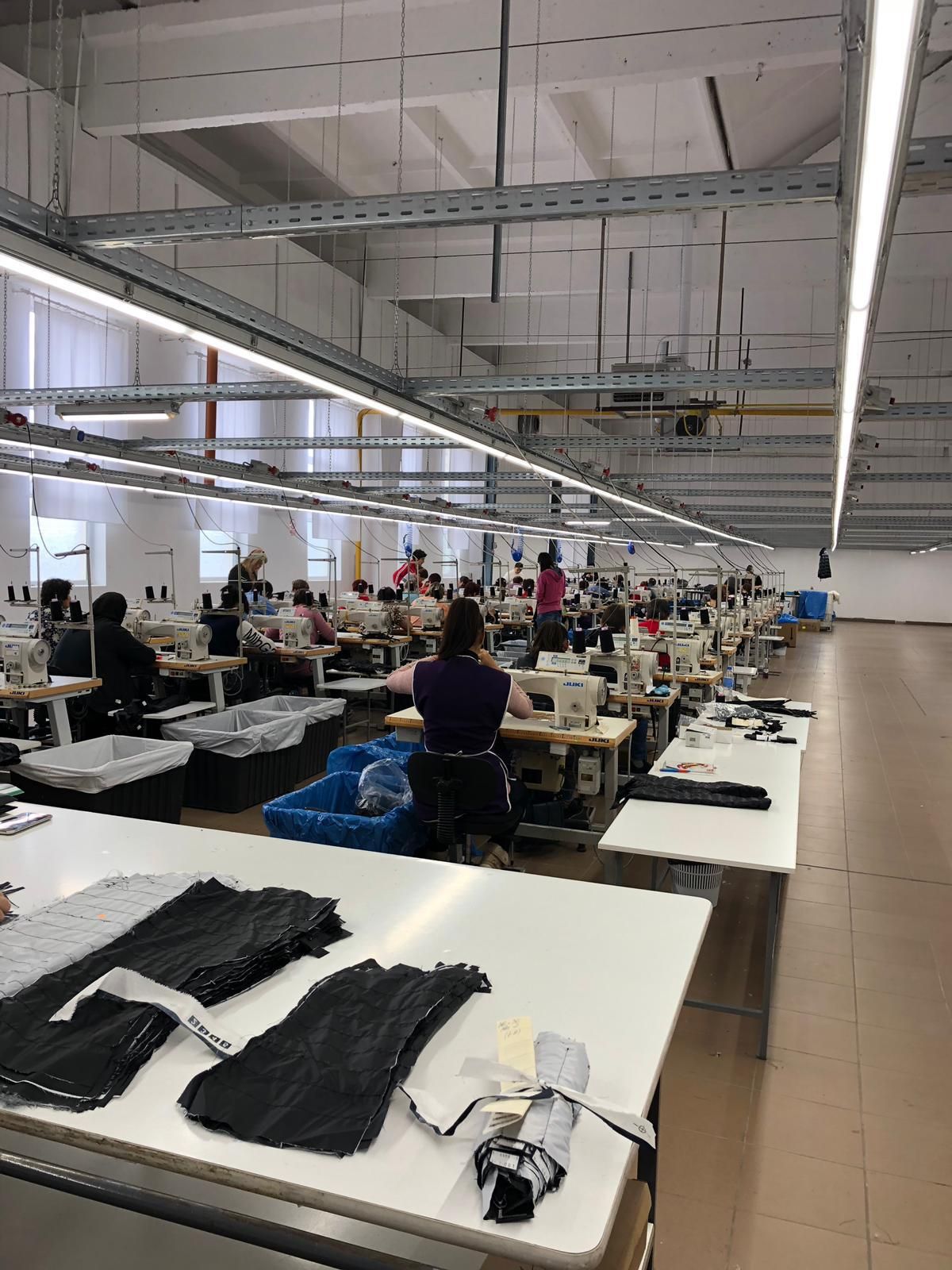
Instead of only posting finished garments, we want to show more real work from our factories and pattern rooms:
- fabric selection and development
- pattern making
- sampling and fitting
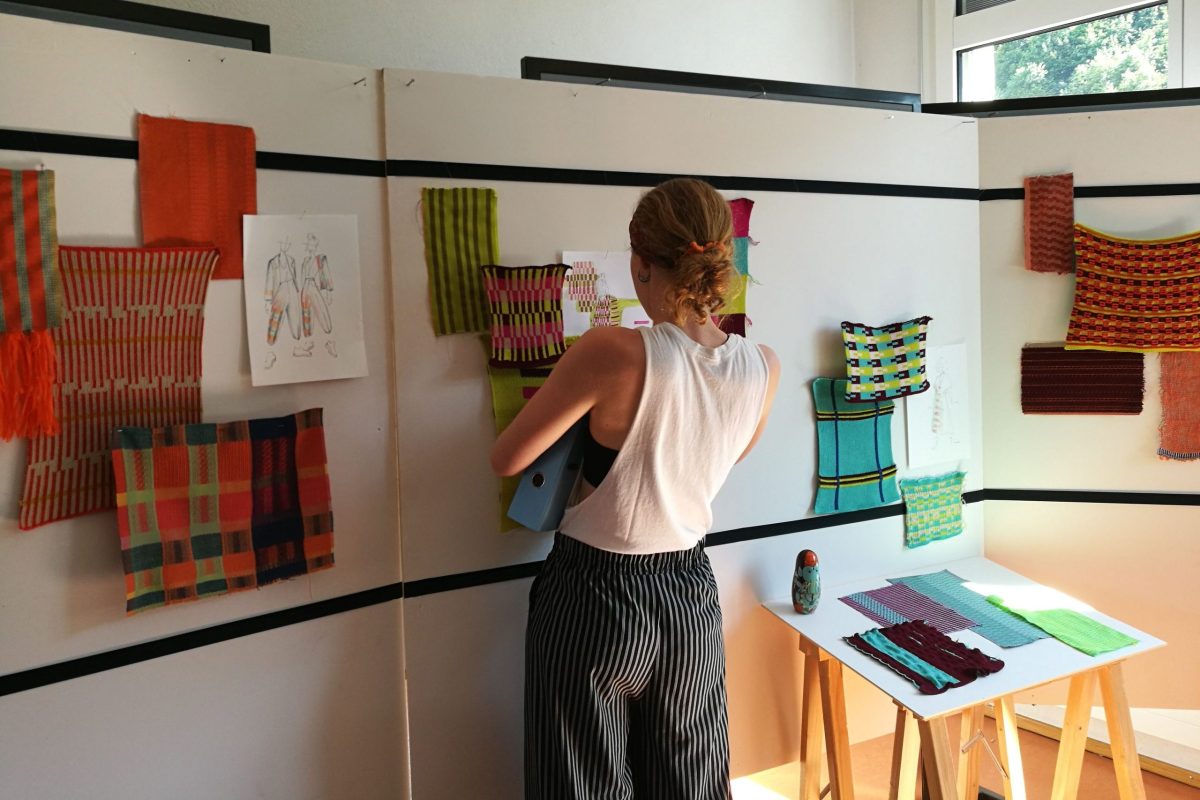
- yarn and knit development
- washing and finishing
- material experiments
- small-batch production
For us, this gives brands a better idea of how we actually work.
A finished product can tell you what a supplier has made.
The development process tells you how the supplier works.
Small-Batch Apparel Production for Growing Fashion Brands
We are also seeing more brands testing new ideas in smaller quantities.
A new product category. A new material. A limited collection. A first season.
Not every project needs thousands of pieces from the beginning.
Our typical MOQ starts from around 100 pcs per style, depending on the fabric, construction and production requirements.
Small-batch production still comes with challenges. Fabrics have minimums, development takes time, and every new product requires proper sampling and communication.
But we believe flexibility is becoming increasingly important.
For growing and independent fashion brands, smaller quantities can create more room to test new products, materials and ideas before scaling up.
Small batch doesn’t mean small ambition.
Our Focus: Materials, Texture and Surface Development
We are also becoming clearer about the areas where we can bring the most value.
Rather than trying to present ourselves as a supplier that can do everything, we are focusing more on materials, texture and surface development.
Soft Texture
Fuzzy wool, alpaca and yak knitwear, with a focus on soft and tactile surfaces.
Urban Patina
Washed, garment-dyed, sprayed and aged effects that give garments more character and a sense of time.
Fancy Wovens
Silk, viscose/rayon and other woven fabrics with jacquards, prints, textures and more expressive surfaces.
These may look like different product categories.
For us, they are connected by one idea:
Material, surface and development.
We are interested in helping brands take an idea — sometimes only a reference, a fabric or an unfinished concept — and work through the development process until it becomes a real garment.
Connecting Digital Discovery with Real-World Meetings
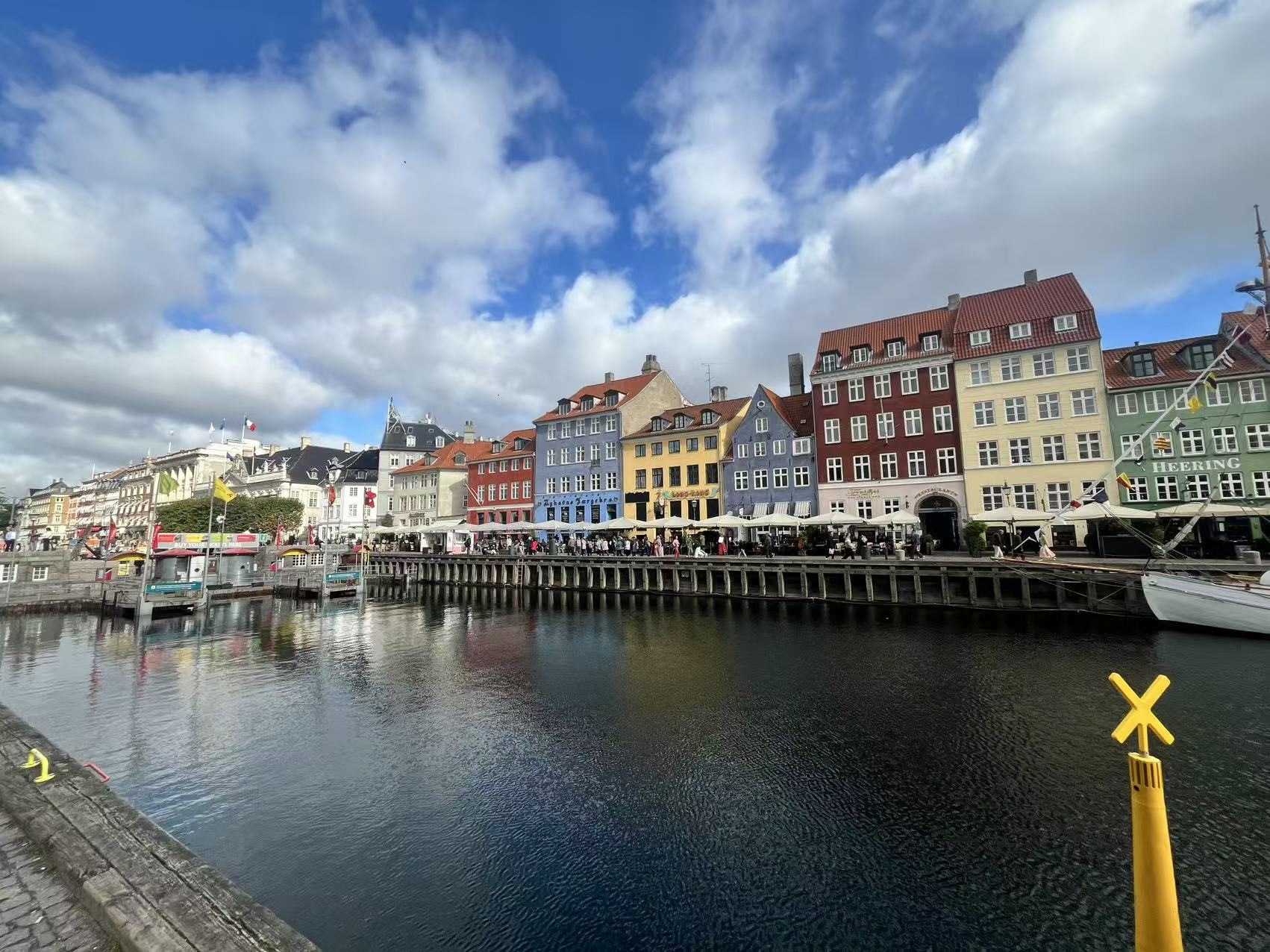
After Texworld, we continued our trip to Copenhagen.
Some conversations started at the fair. Others started online.
We are also using the time in Europe to meet brands directly, visit existing contacts and reach out to new ones.
Sometimes a LinkedIn message can lead to a meeting.
A trade fair conversation can lead to a sample.
A sample can lead to a development project.
And a development project can eventually become a long-term relationship.
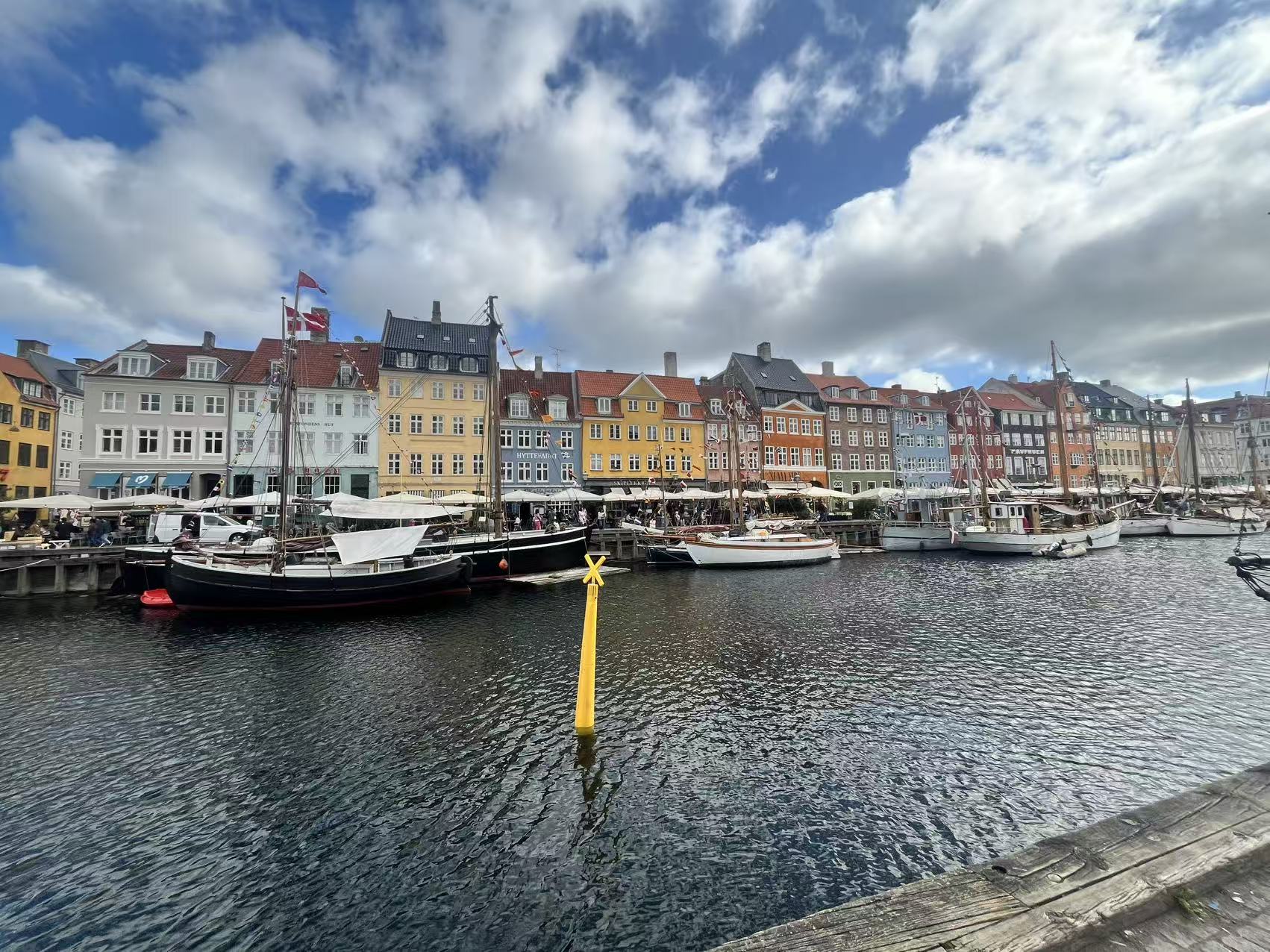
For us, this is becoming a more natural way of doing business.
The online and offline parts don’t need to compete with each other. They can work together.
What We Are Doing Next at Ignisilk
After Paris, we are not simply packing the samples away and waiting for the next exhibition.
We are continuing the conversations.
We are:
- following up with the brands and buyers we met
- sending relevant samples and material options
- visiting clients and potential clients when we are already in Europe
- sharing more real factory and pattern-room content
- developing more material and fabric stories
- using LinkedIn and other digital channels for direct conversations
- connecting our online presence with our physical samples and development work
We don’t think the future is about choosing between trade fairs or digital channels.
It is about connecting them better.
A physical meeting can create trust.
A sample can create confidence.
A LinkedIn message can start a conversation.
A short factory video can show something that a catalogue never could.
And sometimes, a cold message sent while you are already in the same city can turn into a coffee meeting.
Trade fairs are still part of our journey. They are simply no longer the whole journey.
For us, Texworld Paris was not the end of the conversation.
It was one of the touchpoints.
And we are looking forward to seeing where the conversations go next.